


Navigating a Network in Motion
Road transport in Europe never stands still, and cargo transport in Romania feels this every single day. Motorways open, lanes close, border checks tighten, and new rules appear with little warning. For businesses depending on reliable deliveries, this moving target can be the difference between smooth operations and expensive disruption.
Every diversion, new weight limit, or unexpected control point has a knock-on effect. It can alter delivery times, raise costs, or simply create uncertainty in your supply chain. As a freight company focused on cargo transport in Romania and across Europe, we at AXEL PLUS spend our time turning those shifting conditions into predictable, well-managed routes. Our role is to make constant change feel routine, so your supply chain can stay calm even when the roads are not.
The Changing Face of Romania’s Road Infrastructure
Romania’s road infrastructure is developing quickly, with new motorways and expressways gradually linking major cities and border points. Each fresh section of motorway can shorten transit times and make planning more efficient. At the same time, ongoing construction zones, bridge works, and local repairs mean that some traditional routes may be slower or even unavailable for periods of time.
Weight and height limits also affect how we plan. Certain bridges or regional roads impose restrictions that matter for loaded trailers and special equipment. When we plan cargo transport in Romania, we have to match the route not only to distance and time, but also to the technical profile of the vehicle and the cargo type.
Seasonal patterns add another layer. Winter brings snow, ice, and reduced speeds on specific stretches, especially in hilly or mountainous areas. Agricultural seasons can increase slow-moving machinery on rural roads and cause more local traffic. Tourist peaks often mean weekend and holiday congestion around major routes, mountain resorts, and the coastline. Towns and cities may also introduce temporary closures for events or maintenance, which can affect access to industrial areas.
All these elements influence how we plan each movement. On some days it makes sense to send cargo via a longer motorway route that is more predictable. On others, carefully chosen regional roads are the best option. Vehicle choice matters too, from smaller express vehicles that can thread through tight urban streets, to full-size trucks that are better suited to the main corridors. The art is in matching infrastructure conditions to the specific load and delivery priorities.
Smart Route Planning and Real-Time Adjustments
Modern road transport depends on information just as much as it depends on trucks and drivers. At AXEL PLUS, we combine GPS tracking, telematics, live traffic feeds, and official updates from road and border authorities to keep our plans current. A route that was perfect in the morning might face a closure by lunchtime, so we treat each transport plan as something we can refine, not as a fixed script.
Our transport planners and dispatchers keep a close eye on road conditions across Romania and the European routes we serve. When we see accidents, sudden weather changes, or long queues at a particular border crossing, we work with drivers to adjust. That might mean changing the border point, altering the route through a neighbouring country, or adjusting driving and rest periods to align better with known bottlenecks.
For customers, this dynamic planning brings clear benefits, especially for time-sensitive movements like express shipments and FTL transport. You are less likely to face unexplained delays, because our team is actively looking for trouble spots and working around them. Goods are better protected, since avoiding congested or difficult sections can reduce the risk of damage from sudden braking or rough detours. Accurate ETAs are also easier to maintain when we can react to events in real time and update you quickly.
To keep this process effective, we focus on a few simple priorities:
- Stay informed through reliable, up-to-date information sources
- Act early when a risk appears, rather than waiting to see what happens
- Communicate clearly with drivers and customers about changes
- Review past events to improve future planning
Compliance, Safety, and Cross-Border Coordination
Road transport is shaped as much by regulations as by asphalt. In cargo transport in Romania, we work within a clear set of rules covering driving and rest times, working hours, weekend or holiday restrictions, environmental zones, and strict weight limits. Respecting these rules is not just a legal requirement; it is the basis of safe, predictable operations.
Driving time and rest limits define how far a vehicle can travel in a day and when the driver must stop. When the network is disrupted, a poorly planned diversion can push a driver over those limits before reaching a suitable resting point. Our planners build legal requirements into each route from the outset, so that any change still keeps drivers safe and compliant.
Cross-border work adds more layers. Each European country has its own approach to tolls, local restrictions, and specific regulations. As we move between Romania and other European states, we adapt routes to local road rules and toll systems. This might involve choosing certain corridors that are better suited to freight, or avoiding routes with restrictions that do not fit a particular vehicle or load.
Compliance directly supports reliability. A route that ignores restrictions can lead to roadside checks, fines, or even enforced delays. By planning with rules in mind, we reduce the likelihood of unexpected stoppages. That protects your delivery times, your cargo, and the working conditions of the people driving your goods.
To keep compliance strong across borders, we pay attention to:
- National and regional regulations that affect freight traffic
- Changes in toll systems and controlled access zones
- Local rules on weekend and night driving
- Weight and dimension rules that impact vehicle choice
Tailoring Solutions for Express, FTL, and Groupage Loads
Constant road changes do not affect every type of service in the same way. Express shipments, FTL loads, and groupage transport each require their own strategies when conditions shift.
Express transport is all about speed and precision. For these urgent loads, we focus on the most predictable and fastest corridors, even if they are slightly longer in distance. Our team tracks potential disruptions closely and prepares alternative priority routes, so if one road is blocked we can quickly switch to another with minimal impact on the ETA.
FTL shipments balance timing with cost. For a full truck dedicated to one customer, small route changes can have a visible effect on the total transport cost. When conditions change, we aim to protect delivery commitments while still choosing efficient alternatives. This might involve rescheduling loadings to avoid known peak traffic, or adjusting which border crossing offers the best balance between queue time and distance.
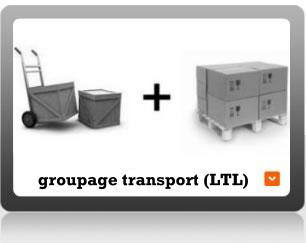
Groupage (LTL) services involve consolidation, depots, and hubs. Here, infrastructure changes can influence where we consolidate freight and which feeder routes we use. Smart planning means choosing hubs with good motorway access and adjusting collection and delivery windows to fit around known roadworks or seasonal traffic in urban areas.
Across all service types, clear and honest communication is essential. When routes or timings must change, customers need to know early so they can adapt their own operations. We focus on:
- Sharing updated ETAs when conditions shift
- Explaining any change in loading or unloading windows
- Clarifying how revised routes affect transit time
- Providing realistic information instead of optimistic guesses
Turning Road Challenges Into Reliable Deliveries
The road network in Romania and across Europe will keep changing. New infrastructure will open, traffic patterns will shift, and regulations will continue to evolve. For businesses that rely on cargo transport in Romania, the question is not whether these changes will happen, but how well your transport partner responds when they do.
At AXEL PLUS, we treat change as part of the daily routine. By combining proactive planning, real-time monitoring, and solid regulatory knowledge, we work to keep your cargo moving predictably across a network that never quite stays the same. When flexibility and adaptation are built into the service, road challenges become something that can be managed calmly rather than a source of constant disruption.
Streamline Your European Cargo With Reliable Experts
If you are looking for dependable cargo transport in Romania, we can help you move goods efficiently between Romania and Germany with tailored scheduling and routing. At AXEL PLUS, we work closely with you to understand your load, timing and budget so your shipments arrive when and where you need them. Share the details of your next transport requirement and we will prepare a clear, no-obligation proposal. If you are ready to discuss specifics or request a quote, simply contact us.