


International freight transport is how businesses move goods from one country to another. Trucks, ships, planes, and trains all come into play, depending on where the goods are going and how fast they need to get there. Whether it’s fresh fruit heading to a shop, tools for a factory, or summer stock for retail shelves, getting it from point A to point B across borders is a job that takes careful planning.
During the summer months, when trade activity picks up and weather throws extra challenges into the mix, staying on schedule gets even more important. When we understand how freight works from the start, it’s easier to make smart choices, especially when time matters or the goods can’t sit still for long. This kind of transport might look like a simple trip on the map, but there’s a lot happening behind the scenes to make it go right.
How Goods Travel Across Borders
When goods travel across countries, there’s more than one kind of transport involved. Different types of freight methods each come with their own set of strengths.
- Road freight is great for flexibility and direct routes. Trucks can go straight from warehouse to delivery site, which helps when time is tight or the cargo is fragile.
- Sea freight works well for large amounts of goods going long distances. It’s a bit slower, but helps connect places that aren’t linked easily by road.
- Air freight moves quickly, so it’s used for very time-sensitive shipments, often with lighter or higher-value cargo.
- Rail freight is efficient over land, especially for bulk goods, and works well across longer established rail routes.
Each method can support a different kind of journey. Sometimes we use more than one. For example, a shipment may move by truck to the port, then continue by ship, and transfer back to road at the other end. The mix depends on what the goods are and where they’re going. Some products can sit for a while, while others need to keep moving without pause.
When we pick the method, we look at how urgent the delivery is, what type of cargo we’re moving, and how far it has to travel. Heavier goods or less urgent loads might do well with sea or rail, while something perishable or urgent could go by road or even air. This combination of choices ensures every shipment has the best chance to arrive on time and in great shape.
What Happens Before the Truck Rolls Out
Before a truck even hits the road, there’s quite a bit that needs to happen. Everything starts with packing the goods in a way that keeps them safe during the trip. Heavy items are braced, delicate items are cushioned, and we double-check how temperature or humidity might affect the load.
The next step is planning. We look over the distance, check what borders we’ll cross, and pick the best route. This isn’t just about finding the shortest path. It’s about knowing which roads are reliable, where there might be traffic, roadwork, or weather trouble, and how the timing works with delivery needs.
Then there’s paperwork. International freight transport always comes with a batch of forms, customs details, and border permissions. Different countries want different documents. Missing one can bring the whole trip to a stop. Timing matters too. If a truck arrives before customs opens or during a public holiday, we might lose a whole day. That’s why we pay attention to the little things early on.
We also make sure the drivers understand what to expect. Briefing helps avoid problems by letting everyone know what’s ahead. This early step saves time later if drivers face unexpected questions or checks at borders.
Challenges Along the Way (and How They’re Handled)
No matter how well we plan, every trip has its own set of challenges. Roads might close without warning because of weather. Traffic builds up, especially near cities or border stops during summer. Customs lines get longer in high season too, and holiday traffic or festival weeks can slow crossings to a crawl.
To handle this, we:
- Look ahead at local holidays and events. Knowing when France has long weekends or Spain celebrates a national day helps us avoid certain routes during those times.
- Check live traffic on routes we use often to make sure we don’t get stuck in summer congestion.
- Schedule early morning departures to avoid driving in the hottest part of the day and reduce stress on the engine and tyres.
When we spot problems early, we can switch to a second route, adjust pickup times, or set a later delivery window to keep everything running as smoothly as possible. Keeping a close eye on changing conditions means we’re always ready to re-plan if something slows us down.
Another issue is temperature. During hot spells, especially in high summer, we must protect cargo that could spoil or melt. This means prioritising shaded or temperature-controlled loading, and monitoring the inside temperature of trailers. When a delay pops up, we act quickly so perishable goods are not at risk.
Who Does What in Freight Transport
Moving goods across several countries takes a team. Everyone has a part to play to keep things in sync.
- Drivers are at the heart of this. They manage long hours on the road, cross borders, and handle handovers and loading when needed.
- Logistics planners schedule routes, check weather and traffic, and manage the timing of departures and arrivals.
- Warehouse teams keep goods packed right and ready to go. They load trucks safely and prepare items that need special handling, like refrigeration or extra padding.
Sometimes we mix types of transport, like loading a truck from a ship or getting goods from air cargo. In those cases, good timing is everything. One delay can hold back the next handoff. That’s why we focus so much on coordination across all parts of the process. Everyone’s work connects directly to the rest.
Communication is key. Each part of the team shares progress and updates so any delays or surprises can be dealt with before they cause bigger issues. This kind of teamwork means customers are kept in the loop and shipments stay on target.
Smart Choices Make a Difference
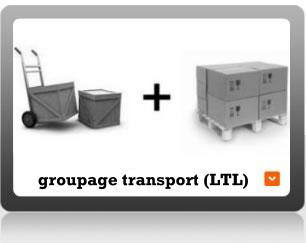
Choosing how to move cargo is about more than picking a truck or a train. A full truck works best when there’s a large, single-destination load. Groupage helps several smaller shipments travel together, while express is used when time can’t be wasted.
Summer makes these choices even more important. High heat changes how goods need to be stored. Perishable food, electronics, or anything sensitive to temperature changes needs more protection. We often advise early load times or night runs to avoid heat spikes that can build up inside trailers.
When cargo is fragile or delivery windows are tight, getting that balance between speed, safety, and timing right becomes a top worry. The right mix keeps cargo safe without pushing too hard on schedules or risking delays.
We also consider using local storage points to hold shipments that might be delayed at a border, so goods can move forward as soon as the way is clear. Planning these options ahead of time saves stress and gives us backup solutions if something goes off plan.
Why Understanding Freight Helps Everyone
Everything we pick up and buy has a path behind it. Knowing how freight works helps businesses plan better, avoid shortages, and decide the best way to ship during peak summer months.
AXEL PLUS provides international freight services for full truckloads, groupage, and express shipments, linking Romania with 19 European countries through a vehicle fleet ranging from 1.5-ton vans to 22-ton trucks. International freight transport isn’t just a service, it’s the behind-the-scenes movement that keeps goods flowing from factory to shelf. When it’s managed well, businesses stay stocked, orders arrive on time, and people get what they need without ever seeing the steps that made it happen. Each delivery starts with smart planning and ends with someone receiving what they were waiting for. That’s what makes the whole system work.
At AXEL PLUS, we keep your business moving across borders by handling the details that ensure shipments flow smoothly in every season. Whether you’re dealing with sensitive goods, urgent delivery windows or challenging routes, our smart planning helps you avoid delays. Our experienced team understands the real-life obstacles of international freight transport, especially during busy summer months. Let’s work together to find the right solution for your shipment, contact us today.