


Moving goods across Europe can feel straightforward at first, but things often get a little confusing once the details kick in. Businesses run into small issues that slow things down, not because the systems don’t work, but because expectations aren’t always clear. Maybe someone expected next-day delivery, but the truck had extra stops. Or maybe a load sat at the border because one paper wasn’t in order.
None of these are big problems on their own. But when the season gets busy or timelines are tight, even small mix-ups can throw things off. That’s why it helps to step back, look at the parts of the process that often cause confusion, and get clear on how they work from the start. The more we understand these pieces, the easier it is to keep freight moving where it needs to go.
What “Express” Really Means in Transport
One of the most common mix-ups we see is with the word “express.” People hear it and think every delivery will be next-day or straight through. But in practice, “express” means different things depending on who you’re working with and where the freight is going.
Here’s a simple way we look at it:
- Express transport usually involves fewer stops and faster deliveries, often with a direct drive between points
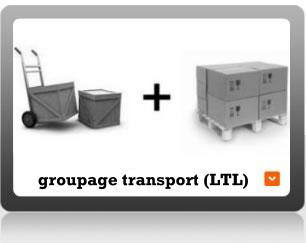
- Groupage services combine goods from different clients into one truck, which means more stops along the way but a lower cost
- The term “express” doesn’t always mean the same hours or same speed. What’s express in Germany might not match the timing in Romania or France
If someone books what they think is a fast service, they might expect their goods to move without pause. But if the route includes extra loading points or the driver has legal rest breaks, things can take longer than planned. The key is matching the meaning of “express” to the trip that’s actually being booked. Otherwise, the delivery clock might run out before the truck even reaches the border.
Understanding Who Handles the Cargo
Another source of confusion is knowing who’s actually in charge of the freight at different points. Most people expect one company or driver to handle everything from start to finish. But that’s not always how European freight services work.
- Carriers are the ones physically moving the goods, whether it’s by van, lorry, or trailer
- Brokers help arrange the shipments and act as middle points between businesses and transport specialists
- When freight crosses into other countries, new carriers may take over for legal or logistical reasons
Some clients feel left out when roles shift mid-route or the updates don’t come from the driver they started with. If tracking info goes quiet for a few hours, or if a new carrier calls about a delivery, it can feel like a red flag, even though the plan is still on track. Knowing that shipments may pass through different hands helps set the right expectations early and avoids unnecessary stress later.
Papers, Papers, Papers: Documents That Slow Things Down
Freight doesn’t just move by truck. It moves on paper too. And missing documents are one of the fastest ways to hold up a shipment. Most of the time, the paperwork is simple, but it still needs to be correct at every border.
The most common items we see are:
- CMR (standard road transport document used across Europe)
- Customs forms when shipping between EU and non-EU countries
- Detailed load info, like packaging lists or product codes
Even a small typo or an outdated form can stop a vehicle at customs. And during spring and early summer, when routes get more crowded and border checks are slower, those delays stack up fast. We’ve worked with freight companies for years, and even the experienced ones double-check every piece of paper before crossing borders. It’s not about being perfect, it’s about being prepared.
Sometimes, just one document being out of step, like using an old template or forgetting authentication, can hold up an otherwise on-time shipment. Border officials rely heavily on clear paperwork, and when information is easy to read and matches digital records, border crossings go a lot faster. A lot of the pressure can be eased just by taking an extra minute to review documents before sending the goods on their way.
Why Tracking Feels Incomplete or Delayed
One thing we hear from senders is that tracking “doesn’t feel live.” People are used to parcel apps or ride-booking services where you see every movement. Freight is different. A long-haul truck moving across Europe won’t send constant updates, and that doesn’t mean it’s lost.
Here’s how tracking usually works:
- Updates happen at major points, like after loading, crossing borders, or arriving at transfer depots
- Some trucks only report in manually or when they pass certain checkpoints
- If there’s no update, it’s often just because the vehicle is in an area with poor signal or hasn’t reached the next check-in
We’ve learned that watching the big time windows matters more than refreshing every hour. A delay in updates doesn’t always mean a delay in travel. It just means the system runs a little differently than parcel tracking most of us use at home.
A truck might leave Romania, then not register another official checkpoint until passing into Germany or when making a scheduled stop. This can create several hours with no online movement, but throughout this period, the freight is still safely underway. Setting expectations on how and when updates are posted helps everyone relax and trust the process, making communication much smoother along the way.
Clear Roads Ahead: Making Freight Feel Less Confusing
Most slowdowns or concerns we see with European freight services start with small misunderstandings. Someone thinks express means next-day. Another person expects a real-time vehicle update every 30 minutes. Or the paperwork checklist skips one item that holds things up for hours at the edge of a country.
When we clear up these areas, timing, roles, documents, and tracking, the whole process becomes easier for everyone. Trucks keep moving, updates make sense, and goods arrive right when they should.
AXEL PLUS runs a modern fleet of trucks from 1.5-ton vans to 22-ton lorries, offering both express and groupage solutions for European delivery, and helping businesses move goods efficiently through 19 countries including Germany, France, Spain, Italy, and the UK. When freight moves across borders, even minor delays or unclear processes can disrupt your schedule. Having a clear understanding of the timing, paperwork, and responsibilities is key. Regularly shipping across multiple routes becomes much smoother when you know how our European freight services are designed to work. At AXEL PLUS, we prioritise transparency and reliability throughout the year. Contact us to organise your next shipment.