


Summer heat brings more than just sunshine. For those of us working in road transport services, it means adjusting how we move goods, when we drive, and how we plan each stop. Roads get busier, trailers heat up fast, and longer daylight hours change how we work. That stretch between June and August can bring real pressure, especially when temperatures soar.
We’re used to managing delays and planning tight deliveries, but high heat adds a new layer. Transport doesn’t slow down just because it’s hot. Businesses still need their stock shipped on time, and drivers still need to get from point A to point B. That’s why how we handle summer really matters. Staying steady during these months means knowing what to expect, how to plan smarter, and how to keep both goods and people safe along the way.
How Heat Affects Trucks and Transport Routine
Hot weather challenges everything, from how the truck runs to how the day is planned. Engines can overheat more quickly, especially during long waits in traffic. Tires wear out faster on sunbaked roads. Inside the cab, the temperature climbs quickly, which can make long shifts harder for drivers.
To avoid problems, we try to:
- Schedule early morning or evening moves whenever possible, when roads and air are cooler
- Avoid long idle times during midday hours when engines are working hardest
- Plan shorter routes where possible to reduce strain on vehicles
We also check our trucks more often during these months. Cooling systems, tires, and air conditioning all get extra attention before heading out. A small issue can turn big fast in the summer heat, so staying one step ahead helps keep everything running smoothly. Drivers often prepare for each trip by packing supplies like extra coolant or water for the truck. Keeping up with smaller details, like checking fluid levels and monitoring dashboard alerts, becomes a regular habit. These extra steps help make sure that even unexpected bumps in the road don’t turn into bigger problems. If a truck starts running hot or the tires lose pressure, the team is ready to respond, jump into action, and solve it before it leads to a breakdown.
Keeping Goods Safe in Hot Weather
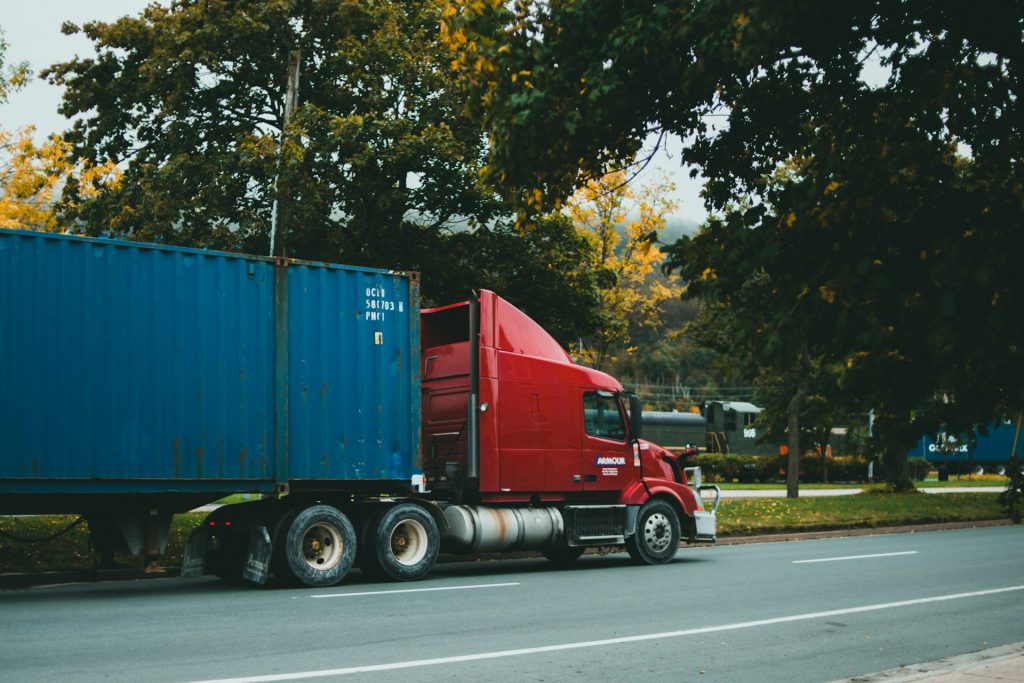
It’s not just the trucks that feel the heat. Certain goods can suffer damage when left inside hot trailers or delayed in long border queues under the sun. Large containers can turn into ovens if sitting still too long, especially in open yards or at border stops.
To avoid spoilage or breakage, we make a few key changes during the warmer months:
- Use packaging materials that hold up better in heat, especially for sensitive or fragile items
- Load cargo with airflow in mind, keeping hotter points away from items that can shift or melt
- Reduce the time trailers spend standing in direct sunlight waiting to be loaded or unloaded
Drivers and loaders stay in contact through every stage. Updates help us adjust on the fly if a job is taking longer, and someone needs to move the truck into a shaded spot or head to the dock sooner. Good communication helps us protect what’s inside the trailer, even when temperatures outside won’t ease up.
There’s also a close eye kept on weather forecasts. If a heatwave is expected, plans may change to protect sensitive cargo from longer exposure. For perishable goods, such as food or flowers, temperature control becomes even more important. Using insulated containers or refrigerated trucks when needed helps prevent losses and complaints. Every step, from loading at the warehouse to delivery at the final stop, gets checked to see if there’s any way the process can be done faster, safer, or smarter in the heat.
Heat-Smart Route and Timing Choices
We don’t just pick the shortest route and go. In summer, smart planning ahead of time can keep everything from falling behind. Roads in city centers or near popular coastlines fill up faster, and construction projects usually hit their peak when the weather is good.
That’s why before each trip, we double-check traffic updates and delivery windows. We look at:
- Current roadworks or known travel spots that may slow us down
- How flexible a delivery time can be, like early drop-offs or late pickups
- Cooler times of day for stops that require workers to load by hand
Flexibility matters too. Some clients may have set hours for loading, and others may let us come slightly earlier to beat the traffic. Having a plan is smart, but being willing to shift gears can save a lot of time.
Maps and GPS apps are used every step of the way to check current traffic jams and see alternate routes. If a city is having a festival or an unexpected backup appears, we can reroute quickly. During summer, it also helps to know if any local events might close roads or bring more cars onto the usual paths. Those details keep trips moving, avoid waiting for hours, and keep both drivers and goods out of the worst of the sun.
What Drivers Do Differently in Summer
Driving in July isn’t like driving in October. Extra daylight can mean more working hours, but it also means longer exposure to heat. We count on drivers to keep themselves safe because that’s part of keeping cargo safe too.
A few simple habits help:
- Extra water onboard and cooling towels for breaks
- Parking in shady areas while waiting to load or unload
- Taking slower speeds during very warm sections of road
We also make sure there’s a solid line of communication open at all times. If traffic builds up or if a driver feels worn out from the heat, we reroute or reschedule when we can. Nothing is more important than clear, fast decisions, and sometimes those choices change when the weather does.
Drivers may also use sunshades in the cab and wear light, breathable clothes to stay cool. Scheduled breaks are more frequent so drivers can rest and recover from the heat. Even small actions, like opening windows at stops to let out built-up heat, make a big difference. The team back at the office keeps in touch, offering updates and advice if something changes along the route. This teamwork helps everyone arrive on time and in good shape.
Last-Minute Changes and Summer Delays
Summer is full of surprises. A road that’s open one day may be blocked off the next thanks to resurfacing or a quick repair job. Then there are sudden closures on national holidays or longer wait times at popular shipping hubs.
We’ve learned that having backup options is just part of good transport. If something shifts, we:
- Reroute goods away from jammed roads or picnic-weekend traffic
- Combine smaller shipments into one route to save time and space
- Push delivery times slightly forward or back, if needed, and if possible
Speed matters, but so does smart thinking. When unexpected changes happen, we respond quickly without rushing. A quick reaction keeps everything safer, steadier, and less stressful for everyone involved.
Extra planning for summer means building in some breathing space. This might be an alternate stop where goods can wait safely or using local teams for quick help if the main route is blocked. Sometimes, even changing which truck goes on which job can ease headaches and keep everything moving. The more experience the team has, the quicker new solutions come up when extra heat or busy roads push plans off track.
Smarter Summer Shipping Starts Early
Summer isn’t just hotter, it’s harder. But with early planning, strong communication, and some heat-aware choices, we stay ready. We consider the weather before the truck ever turns the engine on.
By changing how we route, how we pack, and even how we rest, road transport services remain dependable when the heat is strongest. When everything around us speeds up, the work we do brings some calm and order. The best way to keep cargo moving in summer isn’t by powering through, it’s by thinking ahead. The road doesn’t stop for the season, and neither do we.
At AXEL PLUS, we understand the unique challenges that summer brings to every journey, which is why our planning starts well in advance of the season. We remain committed to safety, timing and reliability, no matter how high the temperatures rise. Our flexible and heat-aware approach helps cross-border shipments move without unnecessary delays. When your business requires steady movement during the hottest months, our road transport services are built to keep things running smoothly when it matters most. Reach out to discuss your transport needs with us today.